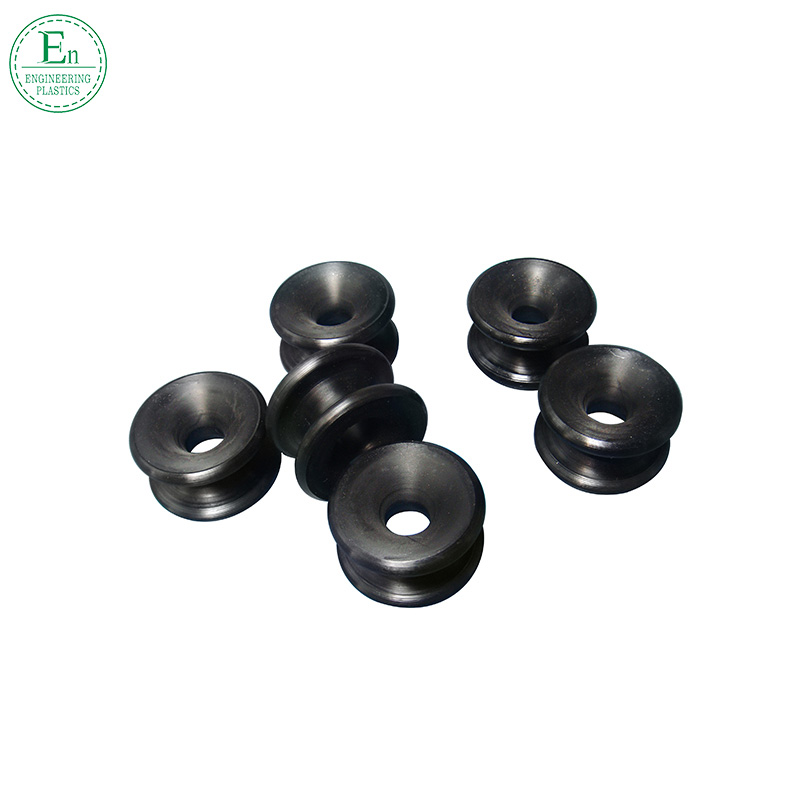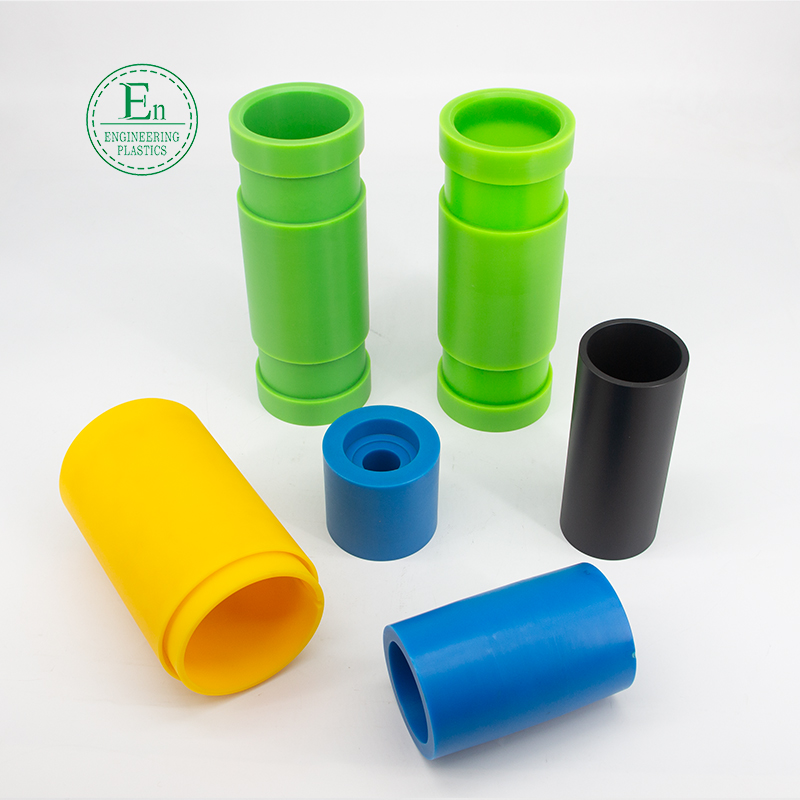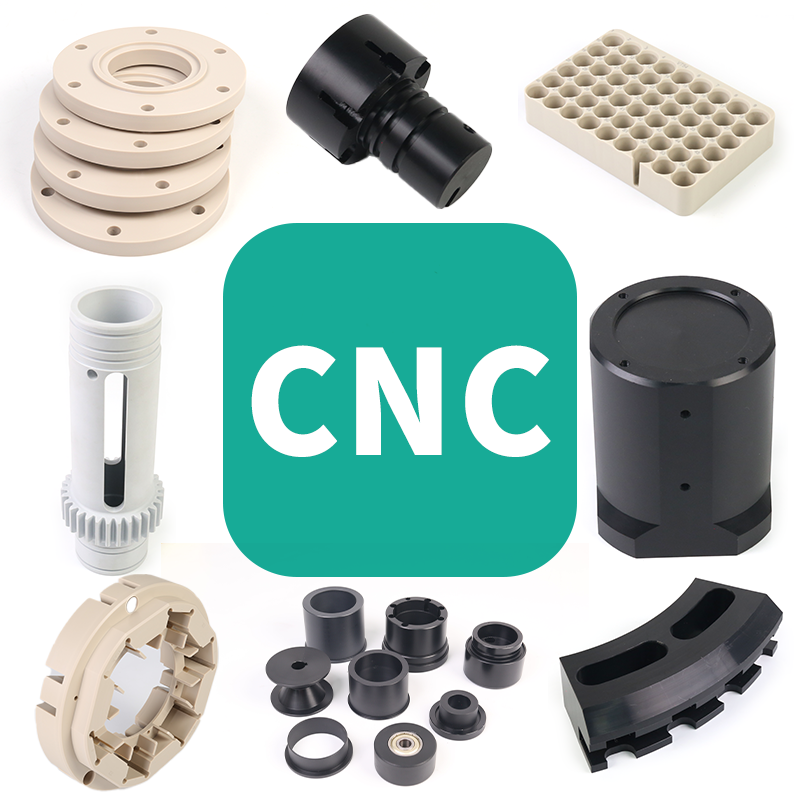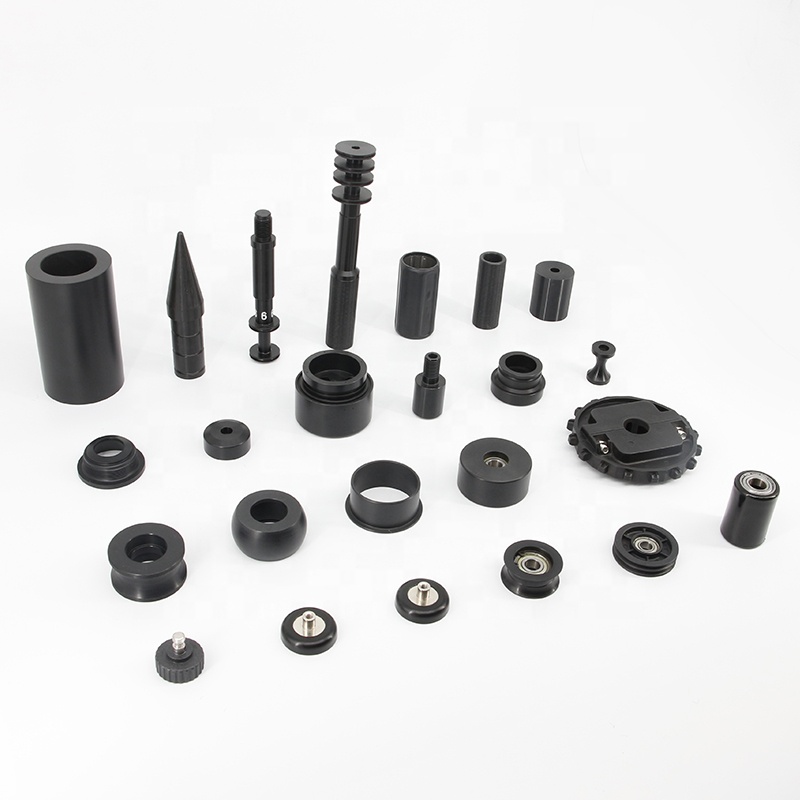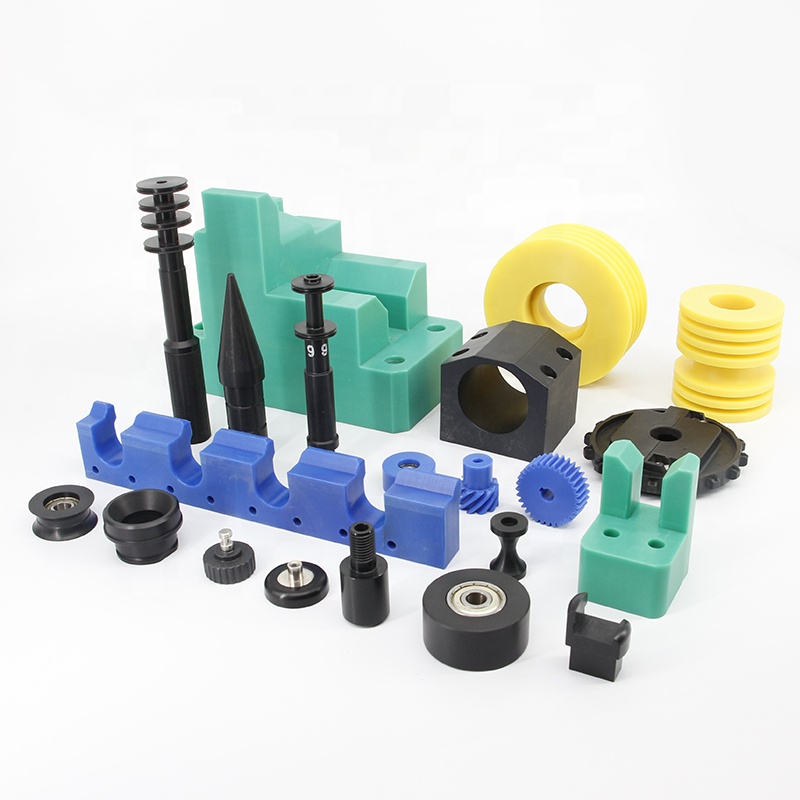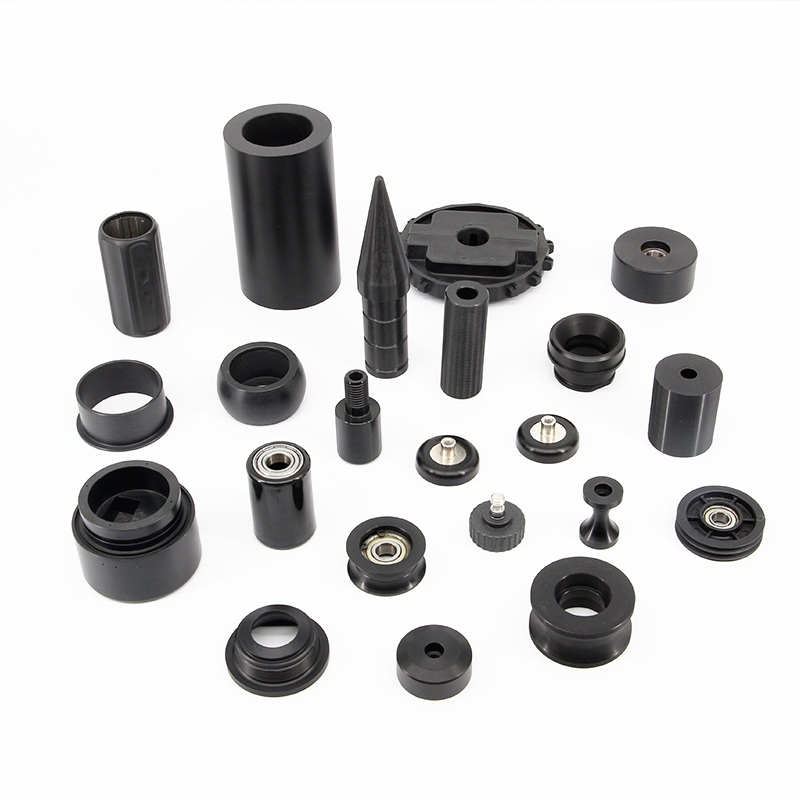
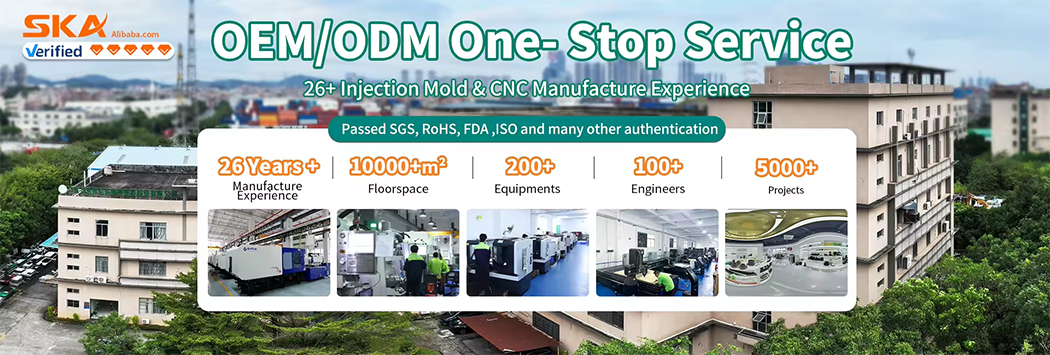
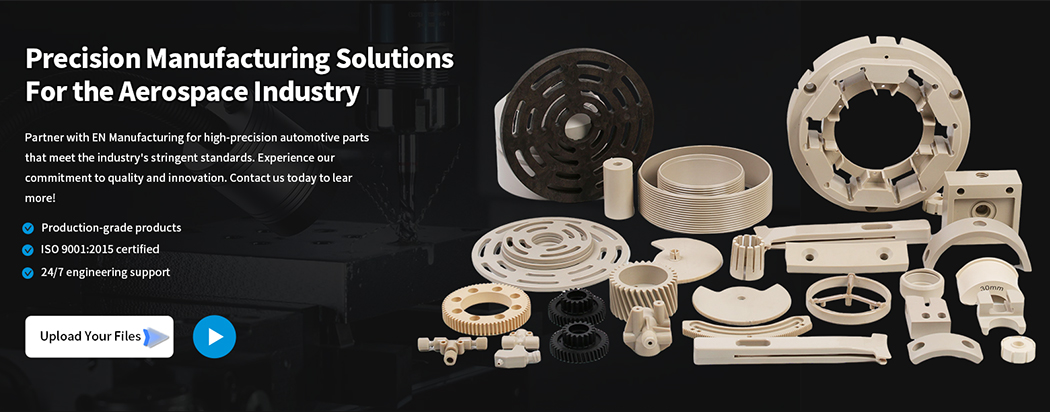
Our factory specializes in high-accuracy CNC machining of plastic components, utilizing state-of-the-art computer numerical control technology to deliver exceptional dimensional consistency and complex geometries. We process a wide range of engineering-grade thermoplastics including PEEK, PPS ,PAI, PI, PBI,PTFE,Nylon, ABS, POM, UHMWPE, PE,PSF, PEI, PSU, etc, catering to industries requiring tight tolerances from automotive to medical applications.
Could we schedule a call to discuss how we can optimize your next project for quality, cost, and lead time?
Email:sales@gz-plastics.com
Tel: +8618588927610
Website:https://gz-plastics.com/
In today's advanced manufacturing landscape, the demand for components with exacting specifications has never been higher. The foundation of creating these intricate and reliable parts lies in Professional Machining, a field that combines skilled craftsmanship with cutting-edge technology. From aerospace to medical devices, industries rely on the ability to transform raw materials into finished products with unparalleled accuracy. This process is not just about cutting metal; it's about engineering solutions that push the boundaries of what is possible, ensuring every component functions flawlessly as intended.
What Defines Precision Machining Services?
At its core, Precision Machining Services involve a set of subtractive manufacturing processes designed to remove material from a workpiece to create a final part based on a detailed technical drawing or 3D model. The defining characteristic is the adherence to extremely tight tolerances, often measured in micrometers. This level of accuracy is critical for parts that must fit together perfectly or withstand extreme operational stress. These services encompass a wide range of techniques, including milling, turning, grinding, and electrical discharge machining (EDM). Highly skilled technicians use a variety of materials, from common metals like aluminum and steel to advanced alloys, titanium, and engineering-grade plastics, to meet the specific requirements of each project. The ultimate goal is to deliver components that meet the highest standards of quality, consistency, and performance, forming the backbone of complex mechanical and electronic systems.
In the fast-paced world of modern manufacturing, the demand for components with exacting tolerances and complex geometries has never been higher. Meeting these stringent requirements is made possible through advanced technologies that offer unparalleled accuracy and repeatability. At the forefront of this revolution is the precise and automated process of manufacturing components, a field where the slightest deviation can impact performance and safety. This is where the importance of Precision CNC machining of parts becomes crystal clear, serving as the backbone for countless innovations across numerous industries.
The Foundation of Modern Manufacturing: Precision CNC Machining
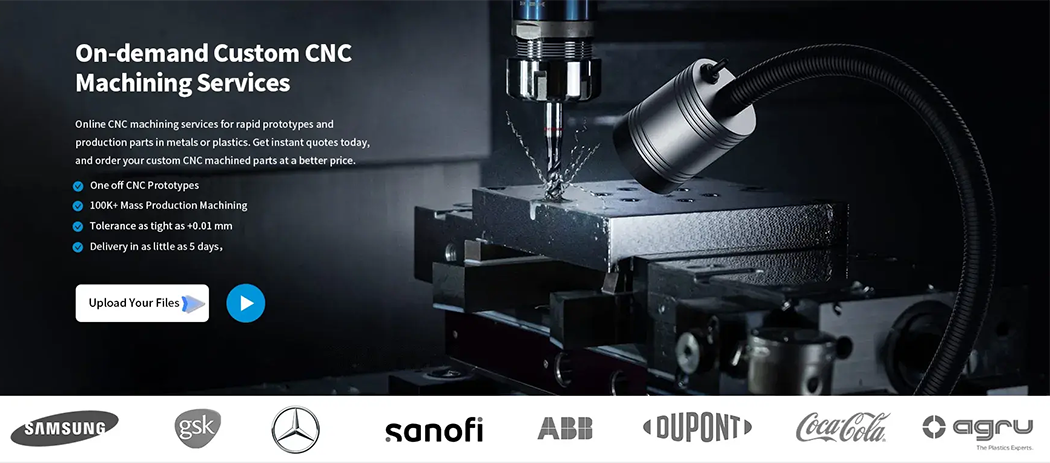
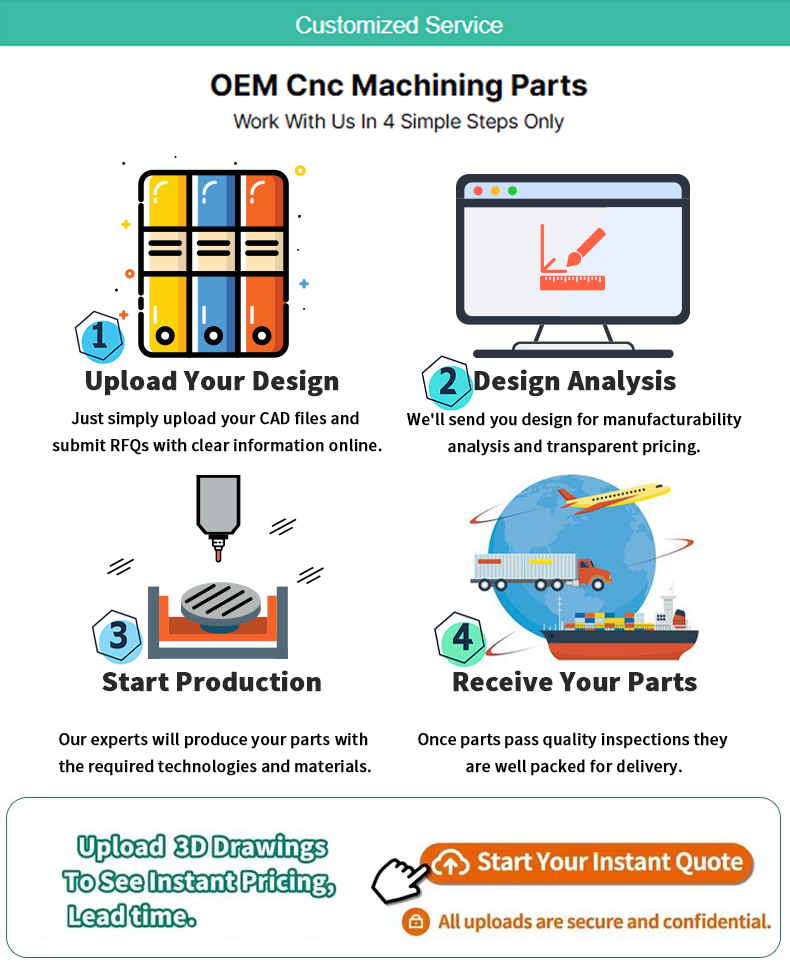
Precision CNC machining stands for Computer Numerical Control machining, a subtractive manufacturing process that uses computer-controlled machines to remove material from a solid block, creating a final part based on a digital 3D model. This method eliminates the potential for human error found in manual processes, enabling the production of components with tolerances measured in a few micrometres. The process begins with a CAD (Computer-Aided Design) file, which is then converted into a set of instructions for the machinery. This high level of automation ensures that every part produced is identical to the last, guaranteeing consistency and quality, which is crucial for mass production and critical applications alike. The efficiency and accuracy of this technology make it indispensable for creating everything from simple brackets to highly complex aerospace engine components.
Versatility in Materials: The Rise of Plastic Parts
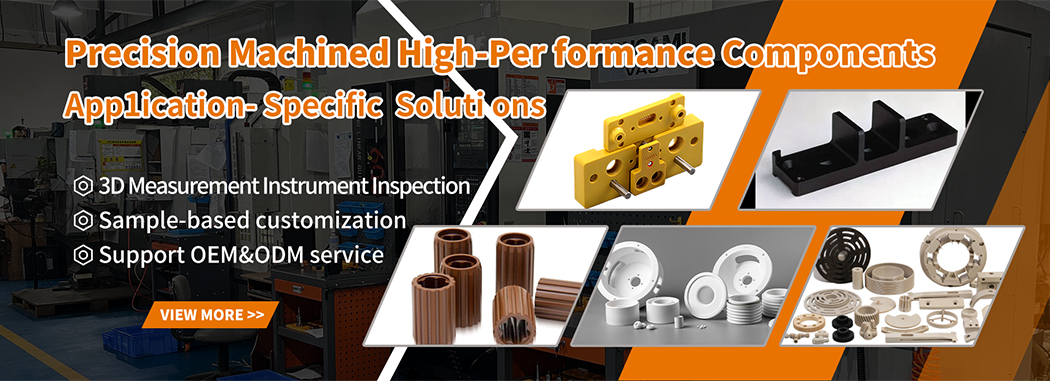
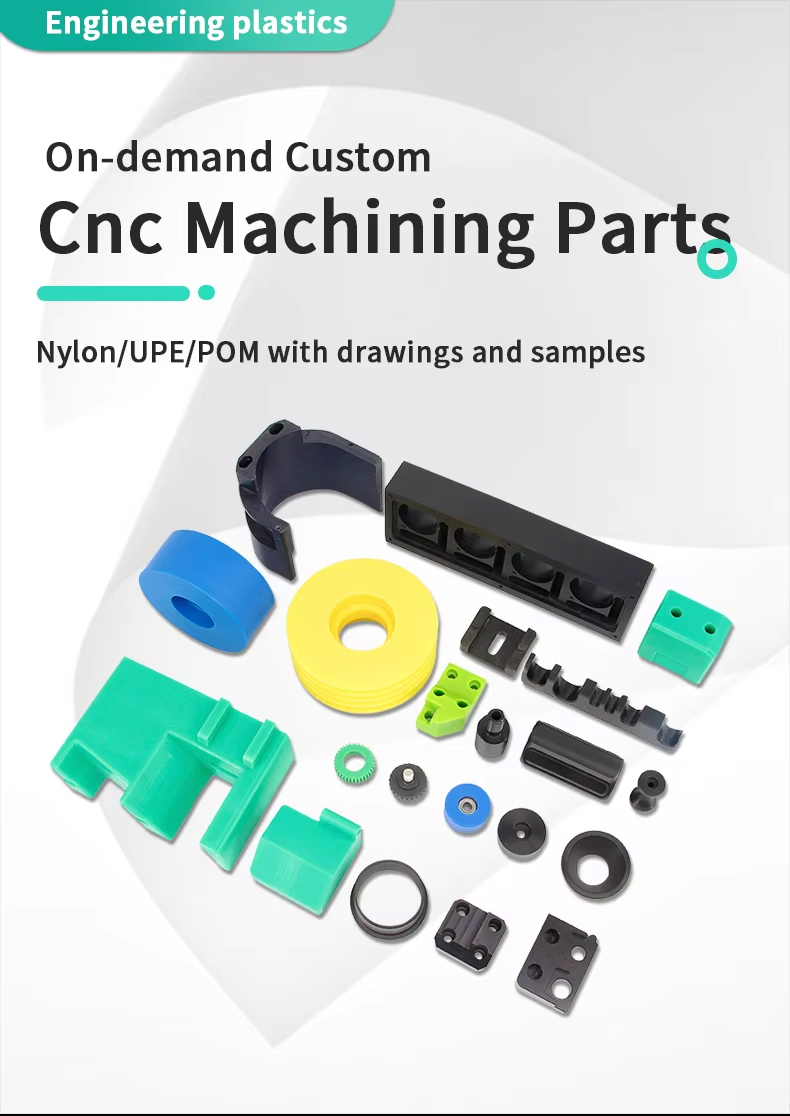
While CNC machining is often associated with metals like aluminum, steel, and titanium, its application extends just as effectively to a wide range of polymers. The ability to create high-quality, custom plastic parts using this technology opens up a new realm of possibilities for product designers and engineers. Materials such as PEEK, Nylon, Acetal (Delrin), and Polycarbonate can be machined to achieve intricate designs that might be impossible or prohibitively expensive with injection molding, especially for low-volume production or prototyping. Machined plastic parts offer unique advantages, including light weight, chemical resistance, electrical insulation, and reduced friction. This makes them ideal for applications in the medical, electronics, and automotive industries, where these specific properties are highly valued.
Key Industries and Applications
The impact of advanced machining is felt across nearly every major industry. In the aerospace sector, it is used to create lightweight, durable components that can withstand extreme conditions. The medical field relies on it for producing biocompatible implants, surgical instruments, and custom devices that must meet strict regulatory standards. For consumer electronics, this technology is essential for manufacturing the sleek metal casings, small connectors, and internal components that define modern gadgets. The creation of specialized plastic parts is particularly important in devices where weight and electrical properties are a primary concern. From automotive prototypes to complex industrial machinery, this manufacturing technique provides the reliability and quality necessary to push the boundaries of innovation.
Choosing a Partner for Your Manufacturing Needs
When your project demands the highest level of accuracy, selecting the right manufacturing partner is critical. A capable service provider should not only possess state-of-the-art equipment but also a deep understanding of materials science and design for manufacturability (DFM) principles. They should be able to consult on the best material choices—whether metal or plastic—and optimize your design for efficient and cost-effective production. A commitment to rigorous quality control and inspection is non-negotiable to ensure every component meets your exact specifications. Ultimately, a reliable partner in Precision CNC machining of parts transforms your digital designs into tangible, high-quality components that perform flawlessly.