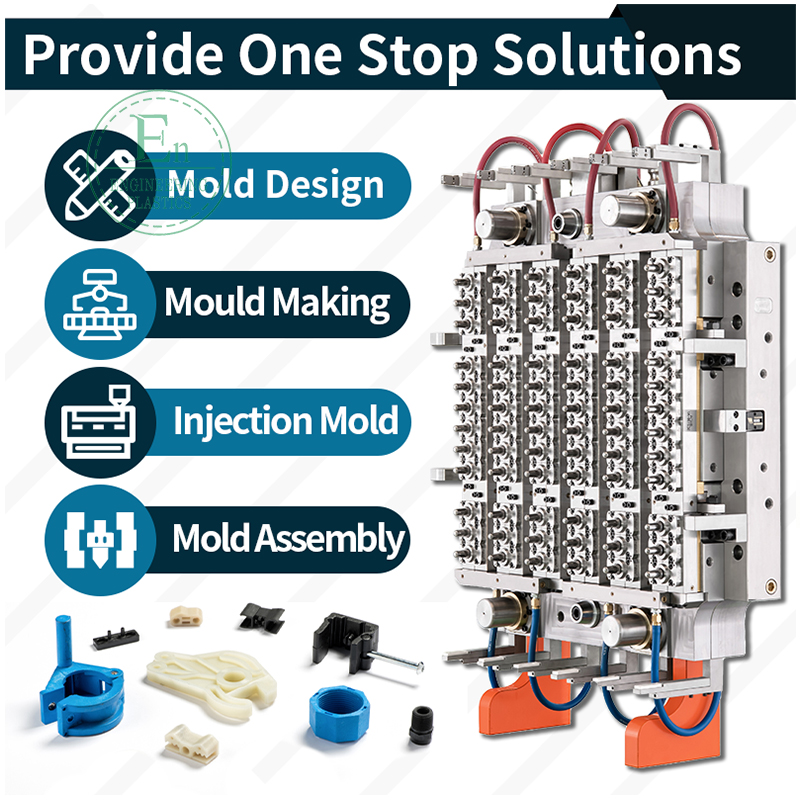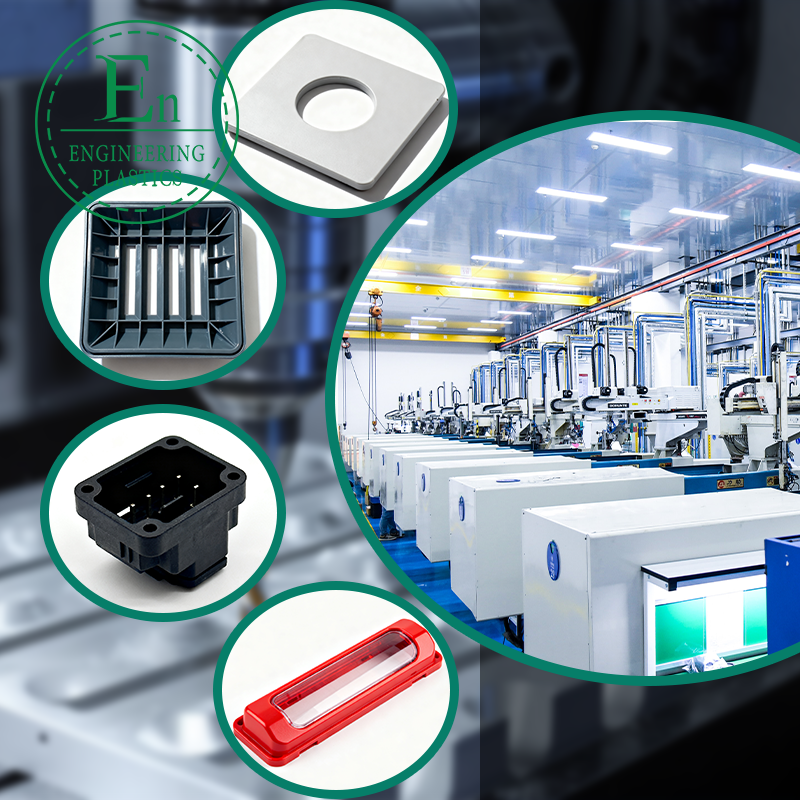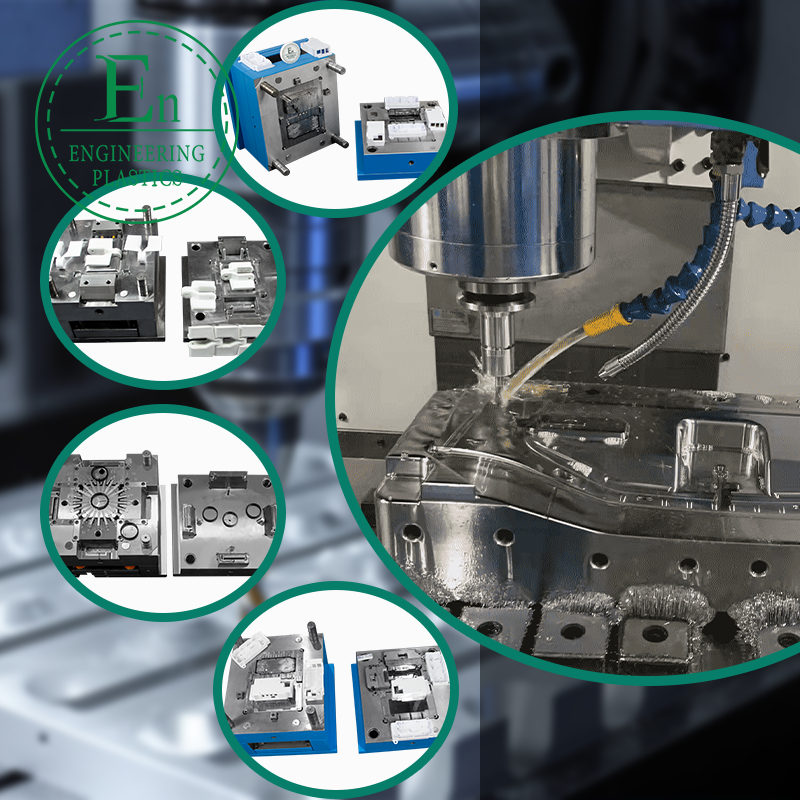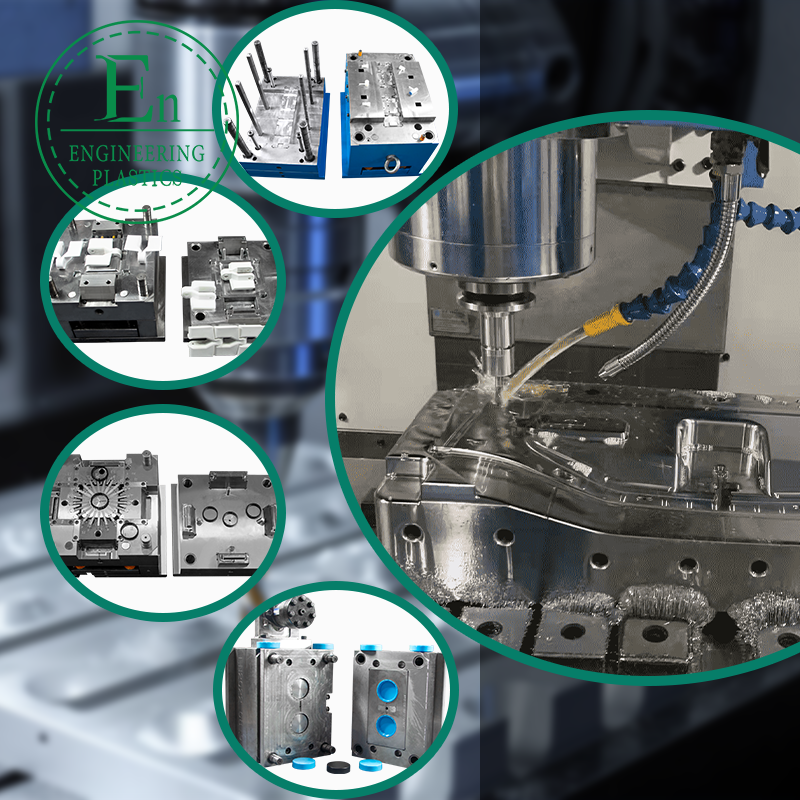
In today’s fast-moving manufacturing landscape, the demand for high-precision components, durable plastic products, and customized solutions continues to grow. From consumer electronics to automotive components, medical devices, industrial equipment, household items, and smart home technology—almost every modern industry relies on mould factories, mold plastic injection, and custom plastic mold manufacturing.
A mould is the foundation of every plastic product. Without a precise and reliable mold, even the best materials and injection machines cannot produce consistent, accurate, or high-quality parts. Because of this, choosing the right mould factory is a critical step for businesses seeking mass production, product innovation, or customized engineering solutions.
This article explores how mould factories operate, the advantages of mold plastic injection, and why custom plastic mold solutions are essential for competitive product development. Whether you are an entrepreneur launching a new product, a purchasing manager seeking a long-term supplier, or an engineer searching for technical insights, this guide provides everything you need to know.
Section 1: What Is a Mould Factory?
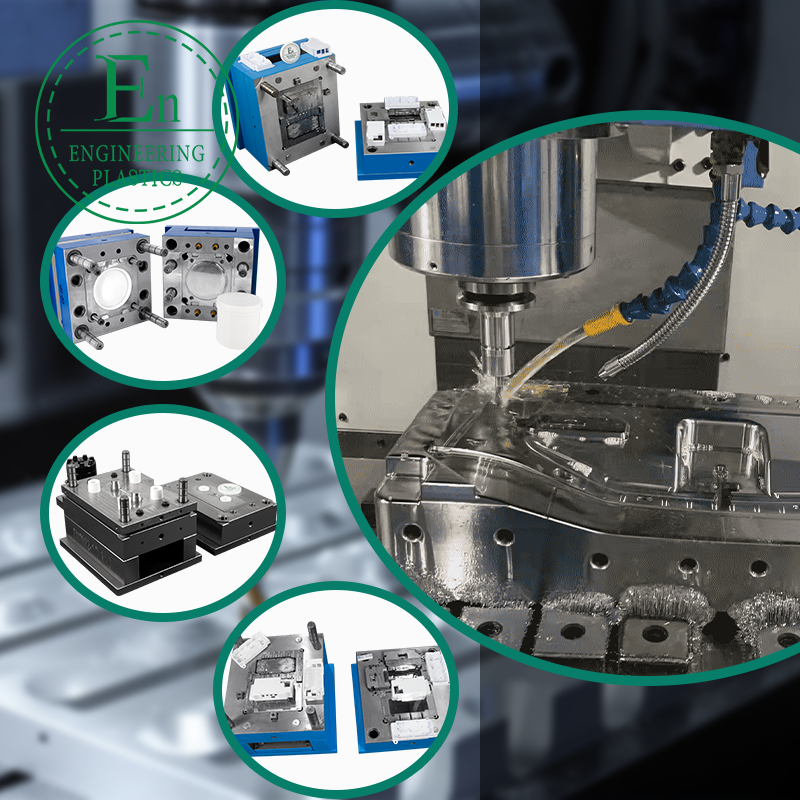
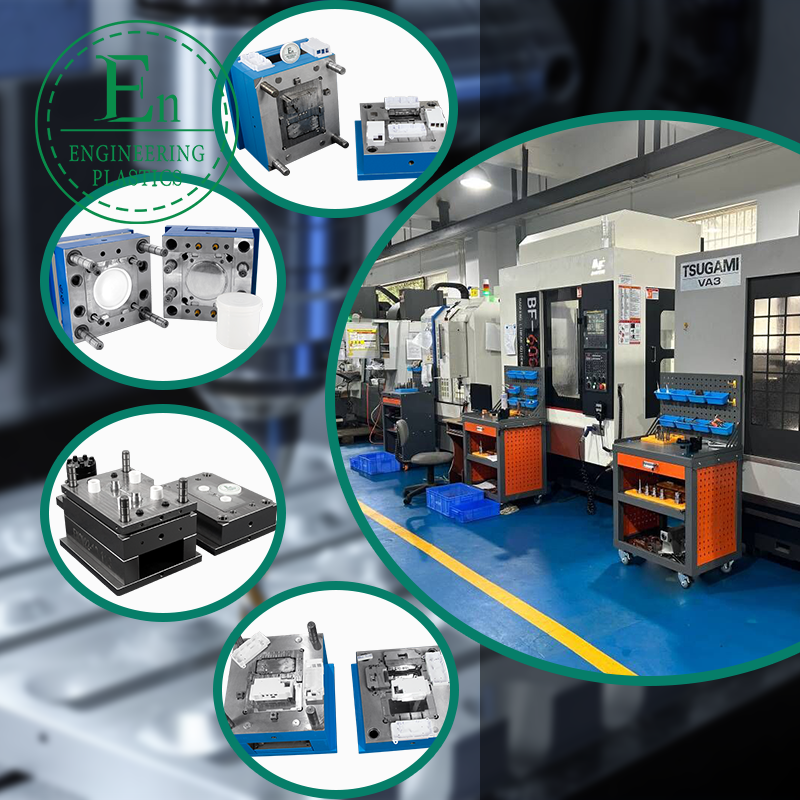
A mould factory is a specialized manufacturing facility that focuses on designing, engineering, and producing molds used in various industrial processes. These molds are essential tools for shaping molten plastic, metal, rubber, or composite materials into desired product forms.
Core Functions of a Mould Factory
-
Design and Engineering – Turning a product idea or CAD drawing into a workable mold design.
-
Mold Manufacturing – CNC machining, EDM, polishing, fitting, and assembly of mold components.
-
Testing and Optimization – Trial production (T1, T2…) to refine quality and efficiency.
-
Mass Production Support – Providing mold plastic injection services for ongoing product demand.
-
Maintenance and Repair – Ensuring long-term mold performance and minimizing downtime.
Professional mould factories often integrate advanced equipment such as high-speed CNC machines, wire-cut EDM, mirror EDM, CMM inspection systems, and automated tooling systems to ensure precision and efficiency.
Section 2: Understanding Mold Plastic Injection
Mold plastic injection is one of the most widely used manufacturing processes in the world. It involves injecting molten plastic into a mold cavity at high pressure, allowing the material to cool, harden, and take shape.
How Mold Plastic Injection Works
-
Plastic Feeding – Thermoplastic granules are fed into the hopper.
-
Melting – The screw barrel heats and melts the plastic.
-
Injection – Molten plastic is injected into the mold cavity.
-
Cooling – Water channels help cool the mold and solidify the plastic.
-
Ejection – The product is ejected using pins or plates.
This process is ideal for producing high volumes of identical parts with excellent precision and cost efficiency.
Benefits of Mold Plastic Injection
-
High repeatability
-
Low labor cost per unit
-
Excellent surface finishing
-
Compatibility with many materials
-
Fast production cycles
-
Supports complex geometries
Given these advantages, it’s no surprise that industries rely heavily on plastic injection to produce components such as connectors, medical housings, toys, casings, gears, clips, home appliance parts, and more.
Section 3: Why Custom Plastic Mold Solutions Are Essential
While standard molds exist for some applications, most businesses require custom plastic mold manufacturing tailored to their unique product designs.
Reasons Companies Choose Custom Plastic Molds
-
Unique product dimensions
-
Improved brand identity
-
Special mechanisms or assemblies
-
Material-specific performance needs
-
High precision functional requirements
A custom plastic mold ensures that the final product reflects the exact specifications, tolerances, and performance characteristics intended by the designer or engineer.
Industries Relying on Custom Plastic Mold Manufacturing
-
Automotive & EV
-
Medical & healthcare
-
Consumer electronics
-
Telecommunications
-
Aerospace components
-
Industrial machinery
-
Packaging products
-
Smart home devices
Each industry has its own specific material needs, safety standards, and durability requirements. A skilled mould factory understands these complexities and designs molds that meet industry-level quality expectations.
Section 4: Key Steps in Custom Mold Manufacturing
A professional mould factory follows a precise workflow to turn customer ideas into finished molds.
1. Product Analysis
-
Dimensional study
-
Structural integrity review
-
Draft angle and parting line evaluation
2. 3D Mold Design & Engineering
-
Mold layout planning
-
Cooling channel design
-
Gate and runner optimization
-
Ejection system design
3. CNC Machining & EDM Processing
Manufacturers rely on:
-
3-axis/5-axis CNC
-
Wire-cut EDM
-
Sinker EDM
-
Polishing and texture tools
4. Assembly & T1 Mold Trial
The mold is assembled and tested through multiple sampling rounds (T1, T2, T3…).
5. Optimization & Final Approval
Defects such as short shots, warpage, flash, or sink marks are corrected until the mold meets final standards.
6. Mass Production Support
Once approved, the mould factory can run long-term mold plastic injection services.
Section 5: Materials Used in Mold Plastic Injection
Plastic materials directly affect product performance. Common choices include:
Engineering Plastics
-
ABS
-
PC (Polycarbonate)
-
PA66 (Nylon)
-
POM (Acetal)
-
PET / PBT
High-Performance Plastics
-
PPS
-
PEEK
-
PEI
-
PSU
Commodity Plastics
-
PP
-
PE
-
PVC
-
PS
A knowledgeable mould factory helps customers choose the best material based on:
-
Strength
-
Temperature resistance
-
Chemical resistance
-
Cost
-
Application environment
Section 6: How to Choose the Right Mould Factory
Selecting a reliable mould factory is essential for reducing risk, ensuring quality, and achieving long-term production stability.
1. Technological Capability
A good mould factory should have:
-
Advanced CNC equipment
-
Precision measurement systems
-
Experienced engineering team
-
Strong design support
2. Quality Control Standards
Ask whether they follow:
-
ISO9001
-
Systematic inspection procedures
-
Mold trial documentation
3. Mold Life Expectancy
High-grade steel (e.g., S136, H13, NAK80) extends mold longevity and reduces long-term costs.
4. Communication & Project Management
A professional team provides:
-
Weekly progress reports
-
Transparent timelines
-
Engineering feedback
5. After-sales Service
This includes:
-
Mold repair
-
Spare parts replacement
-
Injection production support
Choosing a strong mould factory ensures smoother product development and avoids delays or costly redesigns.
Section 7: Advantages of Long-Term Cooperation with a Mould Factory
Businesses benefit from establishing a stable relationship with a single trusted mould manufacturer.
Benefits Include
-
Faster new project introductions
-
Lower mold development costs
-
Higher consistency in product quality
-
Efficient communication
-
More favorable pricing terms
-
Better mold maintenance support
Such partnerships improve speed to market and reduce operational complexity.
Section 8: Future Trends in Mold Plastic Injection
The injection molding industry continues to evolve rapidly with new technologies.
Key Trends
-
Smart factory automation
-
Sustainable materials (bioplastics)
-
Multi-component injection molding
-
Metal-to-plastic conversion
-
Micro-precision molding
-
Hybrid manufacturing (3D print + CNC)
Companies that adapt to these trends stay ahead of competitors and deliver more innovative products to the market.
Conclusion
In the world of modern manufacturing, choosing the right mould factory determines the success of your plastic product. Whether you need high-volume production, precision engineering, or innovative product customization, a reliable partner ensures stable quality, optimized costs, and long-term competitive advantage.
With advanced mold plastic injection technology and customized engineering, businesses can transform ideas into reliable, high-quality products. By understanding mold design principles, material selection, and production processes, you can make smarter decisions and achieve superior results in your next project.
If you'd like, I can also:
✅ Convert this into a downloadable PDF
✅ Shorten it for social media
✅ Create a Chinese version
Just let me know!